
Visit to Built Environmental Laboratory at The University of Osaka
Published:
Today, we visited the Built Environmental Laboratory at The University of Osaka with our third-year students and toured its wind tunnel facility and laboratories.
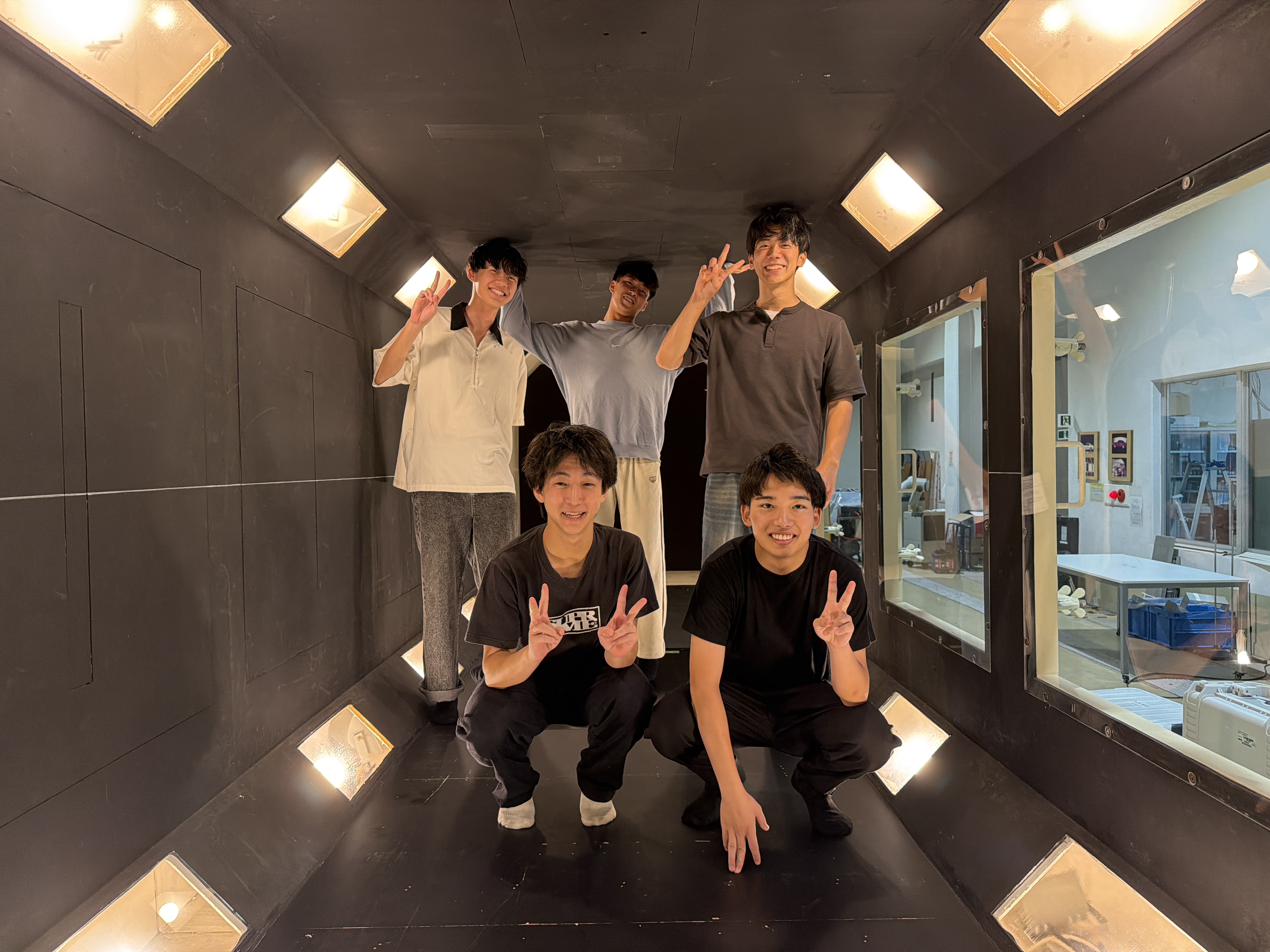
The visit was organized to give our third-year students, who will soon begin preparing for their undergraduate thesis research, an opportunity to experience how research in architectural and urban environmental engineering is conducted.
Wind Tunnel Facility and Laboratories
During the visit, we toured the wind tunnel facility and learned about experimental approaches used to investigate airflow phenomena related to buildings and urban environments, including wind environments around buildings and natural ventilation.
The students were able to see the wind tunnel, experimental models, measurement instruments, and other research facilities firsthand. This provided a valuable opportunity to connect what they have learned in their classes with actual experimental research.
We also visited the laboratories and were introduced to various experimental facilities and research activities in the field of architectural and urban environmental engineering.
Research Introductions by The University of Osaka Students
Students at The University of Osaka also kindly introduced their current research projects to us.
Our students had the opportunity to learn not only about their research topics, but also about how research questions are developed and how experimental and numerical approaches are used to investigate them.
Listening directly to students who are actively engaged in research was a valuable experience and, hopefully, a good source of inspiration for our third-year students.
Looking Ahead to Undergraduate Thesis Research
Our third-year students are now beginning to think about their own undergraduate thesis topics.
We hope that this visit will encourage them to consider what they would like to investigate, what questions they would like to answer, and how they can approach their own research.
We also hope that they will take inspiration from The University of Osaka students and work enthusiastically toward their own undergraduate research projects.
Finally, we would like to express our sincere appreciation to the faculty members and students at The University of Osaka for warmly welcoming us and providing this valuable opportunity.